Home / How it works
The Board Makes Them Look. The Phone Makes Them Act.
Outdoor and digital are not two budgets competing for the same money. They are two halves of one machine, and most advertisers only ever build half of it. Here is how BASS puts the whole thing together.
Either One Alone Leaves Money On The Table
Both of these are true, and neither of them is an argument for doing nothing.
A billboard on its own
It reaches everybody who drives that road, every day, and nobody can skip it. What it cannot do is take an order. There is no click, no form, no cart. You are buying recognition and trusting it turns into business later, which it does, just slowly and without a receipt.
Digital on its own
It can be measured to the click and aimed at one street. What it cannot do is make a stranger trust you in the half second before they scroll. Every ad is competing with a thumb, and a name nobody recognises loses that fight almost every time.
Run them together and each one fixes the other weakness. The board buys the recognition that makes the digital ad worth clicking. The digital buys the measurement and the direct response the board cannot give you.
Six Steps, One Market
This is the order BASS runs it in, and the reason for each step. Nothing here needs all eight digital channels. Most campaigns use three.
Pick the ground
Before anything is bought, the market gets drawn on a map. Which towns, which roads, how far somebody will reasonably travel to you. BASS owns 242 structures across 22 cities, so the boards and the digital can be aimed at exactly the same shape.
Why it works. Every channel can be targeted to a custom geography. If the outdoor and the digital point at different areas you are paying twice to reach two different sets of strangers.
Put the name up
Boards go live on the roads inside that shape. Bulletins on the highways, junior bulletins on the town streets, digital faces on the busiest corridors. The message is short enough to read at speed and the name is the biggest thing on it.
Why it works. Recognition is built by repetition, and outdoor delivers more repetitions per dollar than anything else. This is the step that makes every later step cheaper.
Fence the same ground
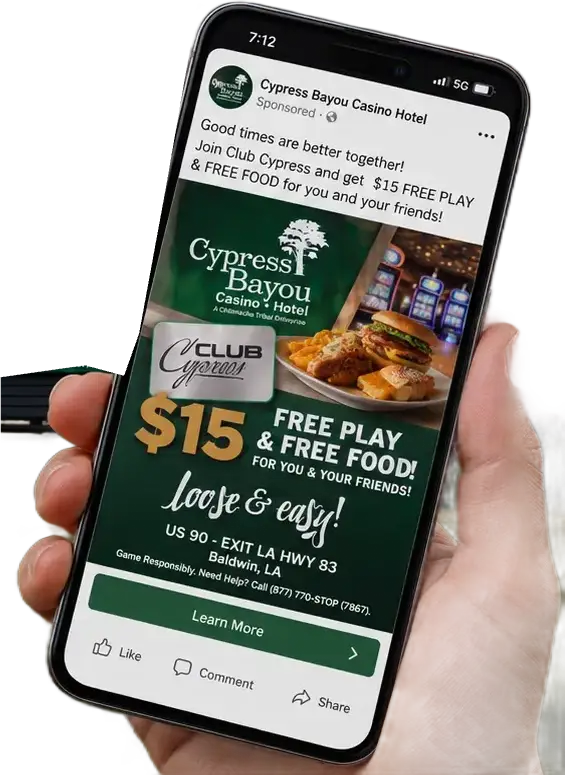
Geofencing draws a virtual boundary around those same roads, and sometimes around the competitor down the street. Phones inside it start seeing your ads, and keep seeing them for up to thirty days after they leave.
Why it works. This is the literal bridge between the two halves. The same person, on the same stretch of road, hit once by the board and once on the phone. Two impressions that reinforce each other instead of two that cancel out.
Own the search
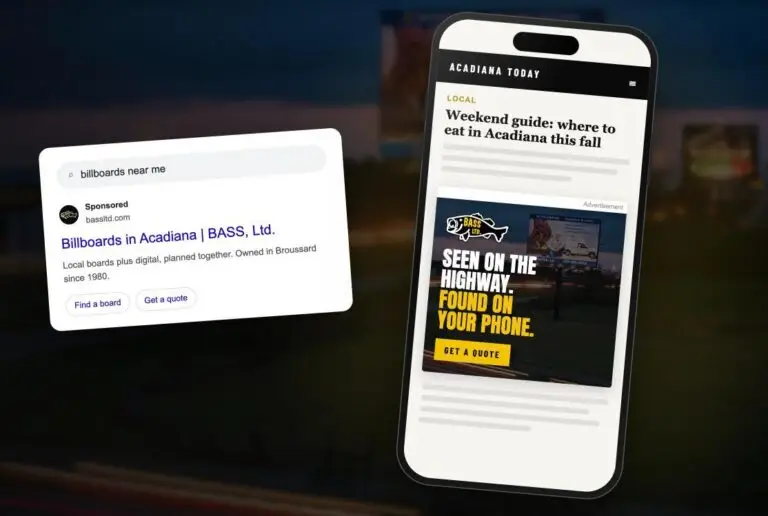
Once the name is up on the road, people start typing it. Search advertising makes sure that when they do, you are the first result, with the phone number attached and the call tracked.
Why it works. Searches for your own business name are the cheapest and highest converting clicks you will ever buy, and outdoor is what creates them. Without the board, that search never happens. Without the search ad, somebody else answers it.
Stay in frame
Display, social, preroll, connected TV, streaming audio and YouTube keep the name present between the drive and the decision. Same creative direction, same market, different screens.
Why it works. Buying decisions take time. These channels are cheap frequency that keeps you in the running while the customer thinks about it, and they all get a lift from the recognition the board already built.
Read the numbers and move the money
Store visit lift from geofenced mobile data. Brand search volume. Call tracking. Form fills. Every thirty days the numbers say which half is carrying the campaign, and the budget moves toward it.
Why it works. You cannot optimise what you cannot see, and you cannot see outdoor on its own. Running digital alongside it gives the boards a measurable shadow, which is how you finally find out what the billboard is doing.
Each Half Feeds The Other
This is the whole argument on one diagram. The board builds the recognition. The digital converts it and proves it happened.
Recognition makes the ad worth clicking
Clicks and visits prove the board is working
Three Campaigns Built This Way
Every one of these ran boards and digital against the same market at the same time.
Lafayette retailer
Two digital faces on Johnston Street plus geofenced mobile ads on the same stretch. Steps two and three, running together.
Interstate 10 corridor
Four static bulletins between Breaux Bridge and Crowley, with streaming audio in the same market. Step two plus step five.
Lake Charles casino
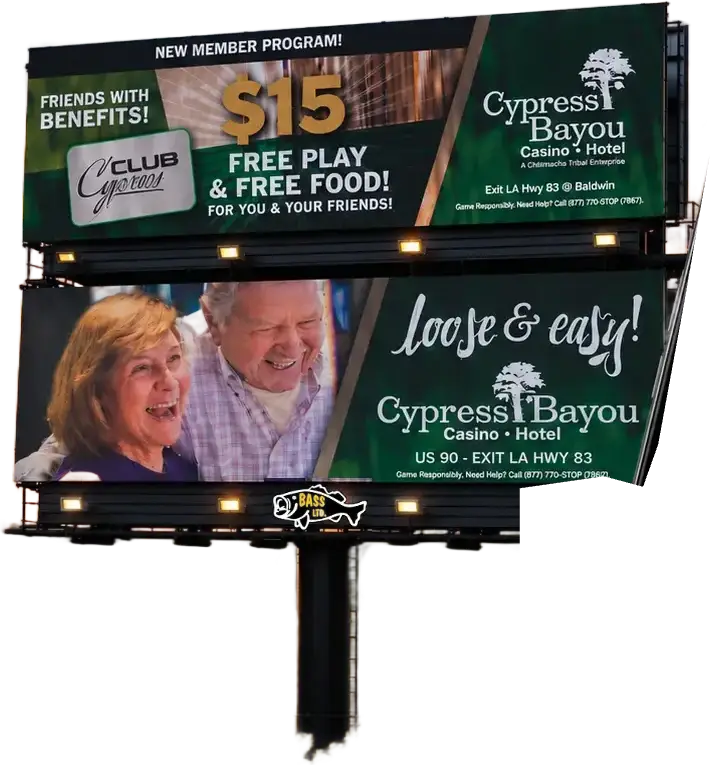
Two digital faces at highway exits, new creative every two weeks, connected TV retargeting underneath. The full loop.
The Boards This Is Built Around
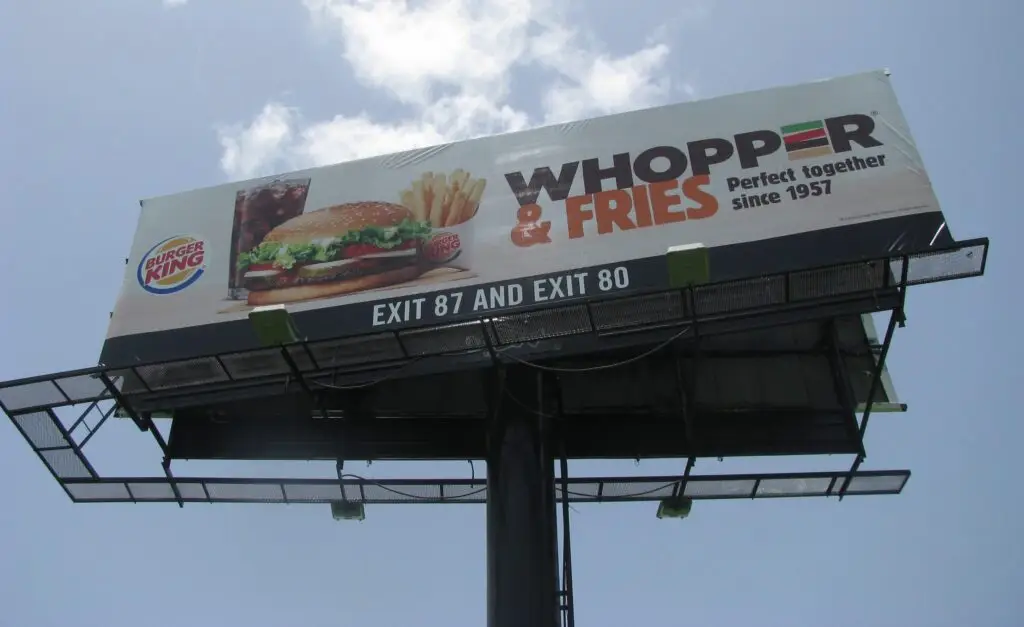
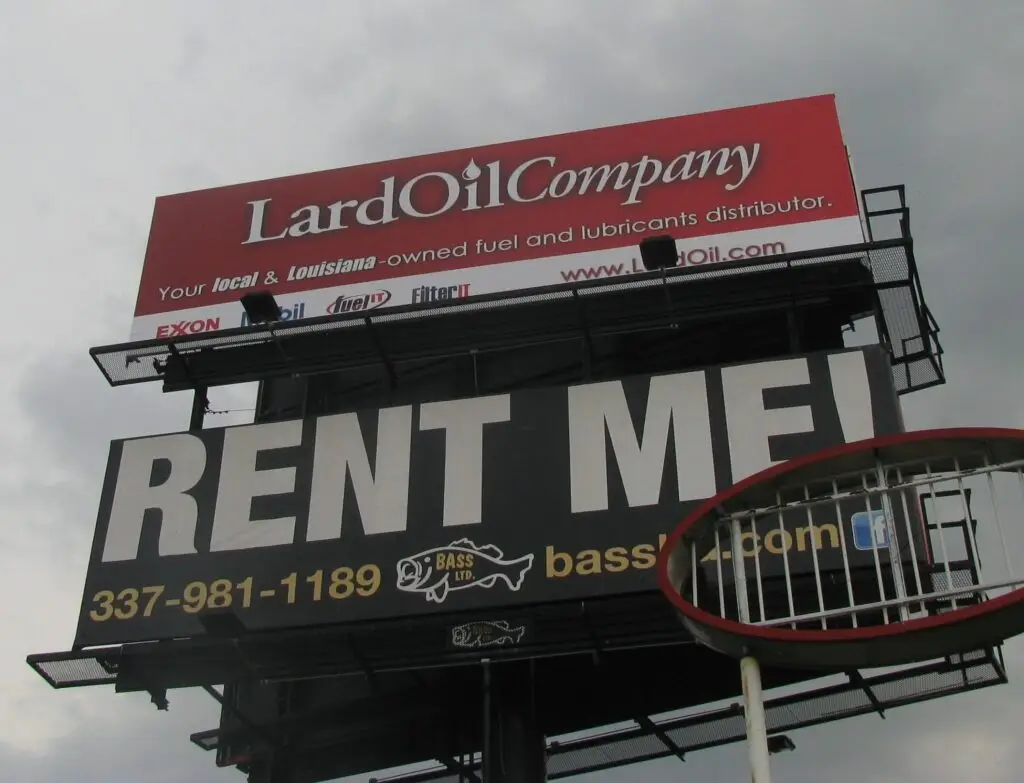
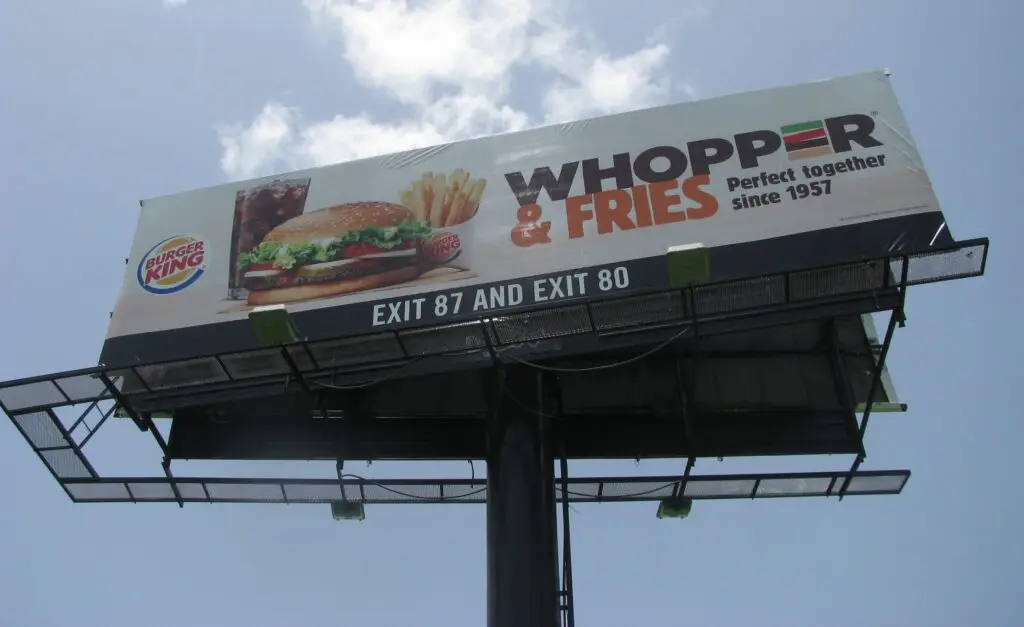
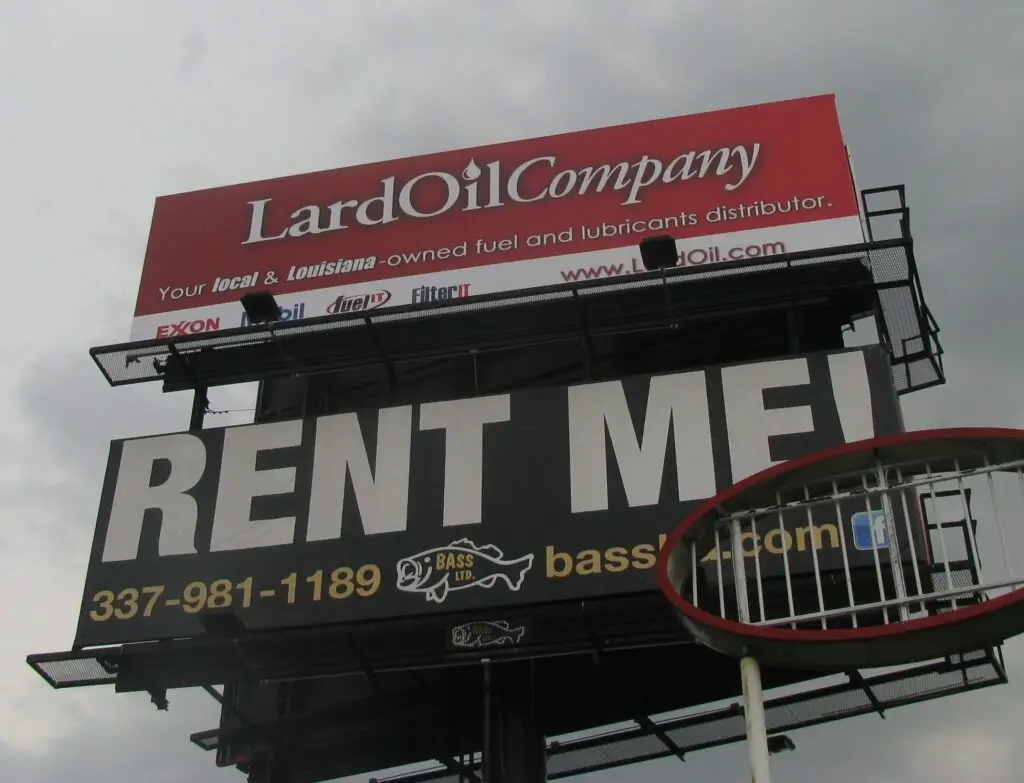
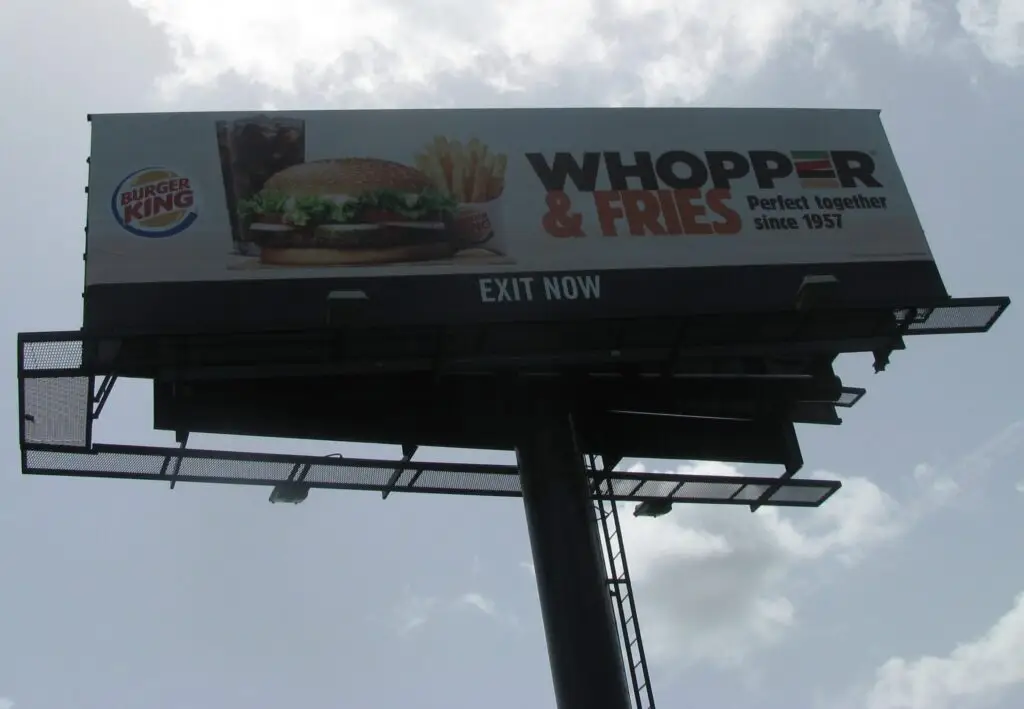
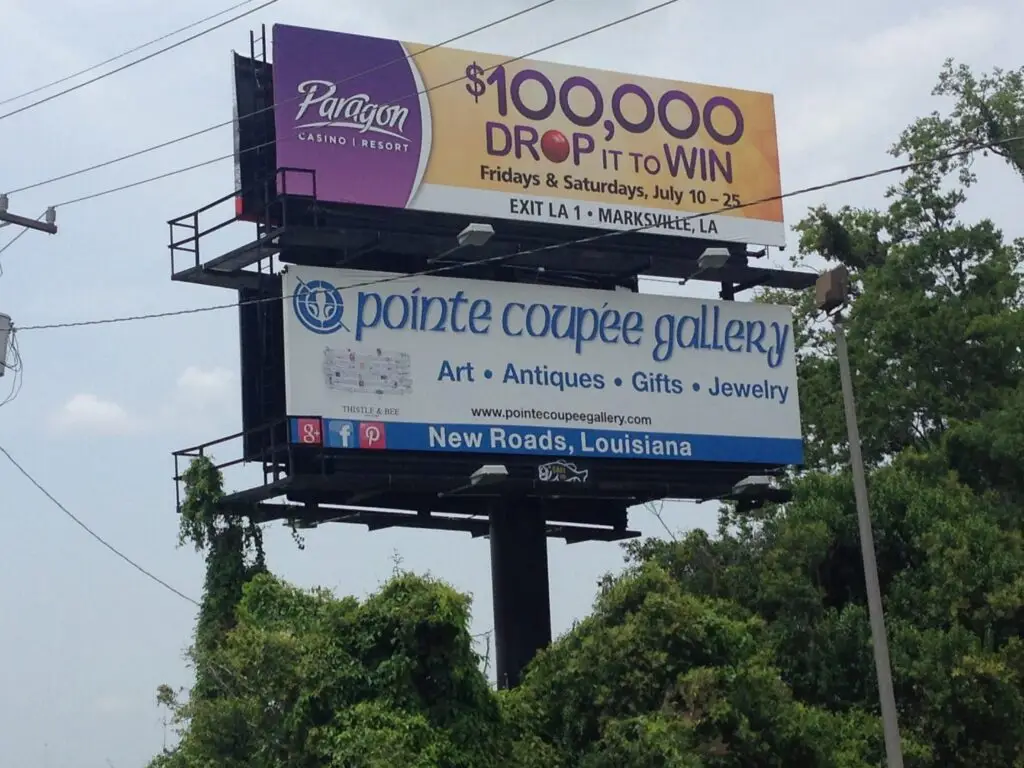
Real BASS structures across the markets these campaigns run in.
Questions About Running Both
Short answers. Your rep will build the actual plan.
Should I start with billboards or digital?
If the market does not know your name yet, start with the board, because everything digital works harder once people recognise you. If you are already known and just need volume this month, start with search. Most campaigns that work end up running both inside ninety days.
What is the minimum budget to do both?
Less than most people assume, because junior bulletins and geofencing are both inexpensive. The honest answer is that one good board plus one digital channel beats spreading a small budget across six channels. Your rep will tell you which two to pick.
How do you prove the billboard is working?
Three ways, all of which need the digital half running. Store visit lift from geofenced mobile data. Brand search volume, meaning how many people type your name into Google. And call tracking on the search ads. A billboard on its own is hard to measure. A billboard with digital underneath it is not.
Does the creative have to match?
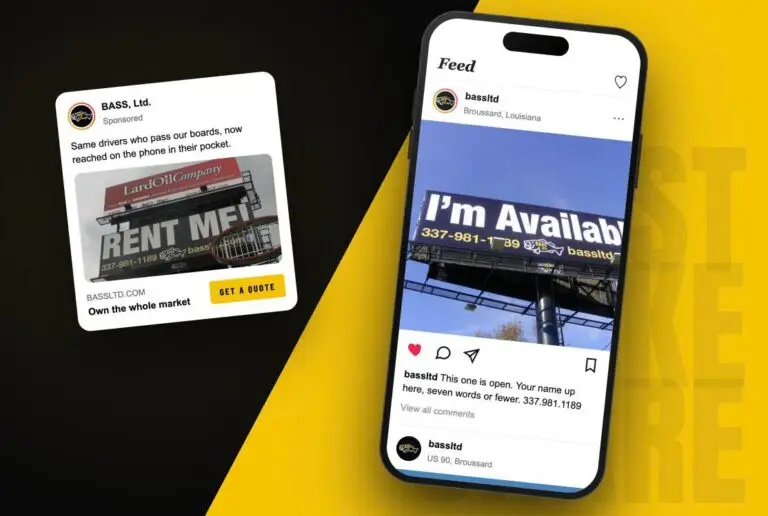
It should. Same colours, same logo treatment, same phrase. The whole point is that the banner ad looks like the board they passed this morning, because that recognition is what earns the click.
How long before this works?
Search advertising can produce calls in week one. The recognition effect from outdoor takes a full four week cycle at minimum and usually shows clearly around ninety days. Anybody promising faster on the outdoor half is guessing.
Can BASS do all of it, or do I need an agency too?
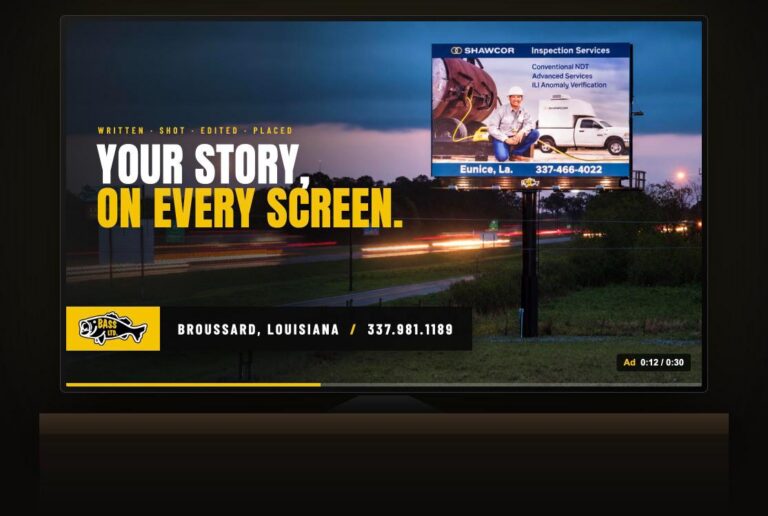
All of it. Boards, all eight digital channels, social management, the website the ads point at, and the television or video the spots come from. One team in Broussard, one invoice.
Start With Any Piece Of It
You do not have to buy the whole machine on day one. Pick the piece that fits this month and build from there.
Digital advertising
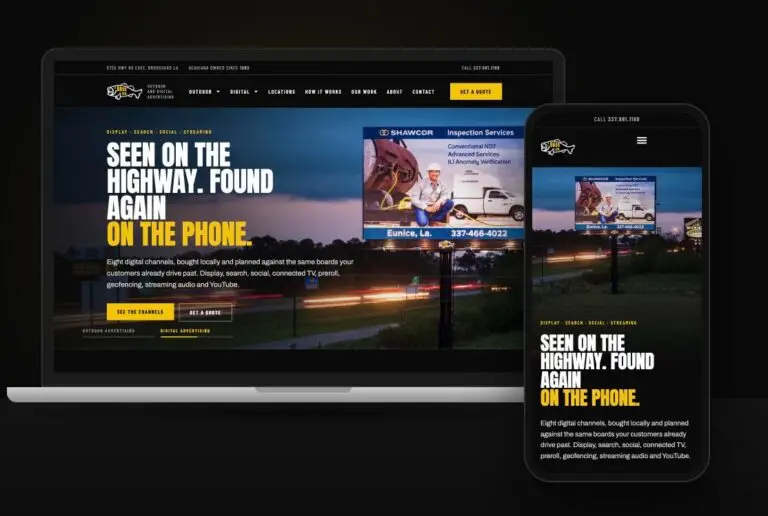
Display, search, social, connected TV, preroll, geofencing, streaming audio and YouTube.
Tell Us The Market. We Will Build The Plan.
Give us the town, the budget and what you are selling. We come back with which boards, which channels and in what order.